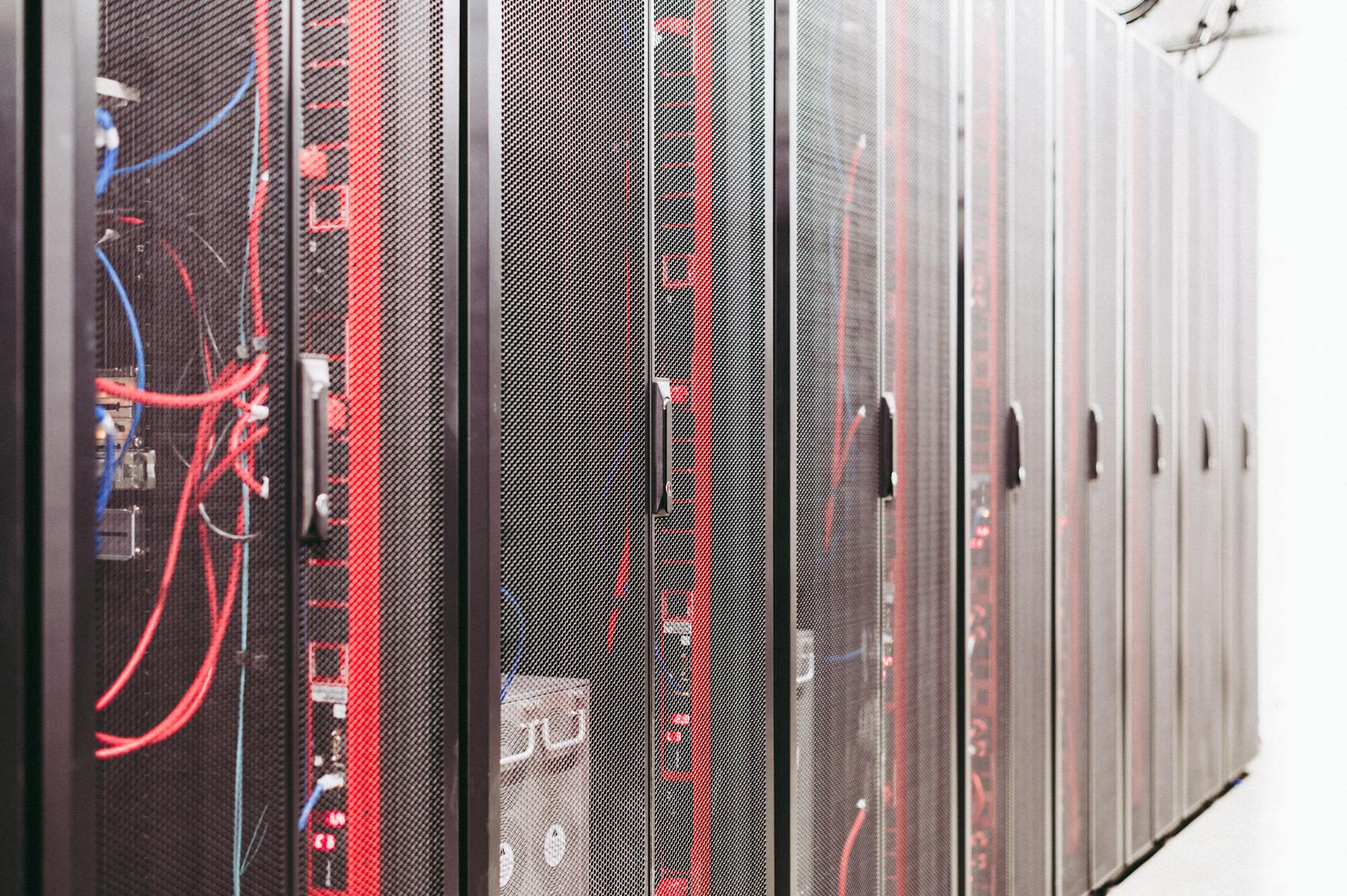
"What Even IS an MCP Server? Explaining the AI Agent's New Playground (and Why It's a Game Changer for Scalability)"
An MCP (Massively Concurrent Processing) server represents a paradigm shift in how AI agents operate, moving beyond traditional single-threaded or even multi-threaded architectures. Imagine an AI agent, instead of performing tasks sequentially or in a limited parallel fashion, now having the capacity to manage and execute an enormous number of independent, yet interconnected, operations *simultaneously*. This isn't just about faster processing; it's about enabling a level of complexity and responsiveness previously unattainable. Think of it as an AI's brain being able to process thousands of thoughts, actions, and observations all at once, rather than one after another. This fundamental change is crucial for AI systems that need to interact with dynamic environments, process vast datasets in real-time, or manage a multitude of user requests without bottlenecks.
The real 'game changer' aspect of an MCP server lies in its inherent design for scalability and resilience. Unlike conventional servers that might struggle under heavy load, an MCP architecture is built from the ground up to distribute processing power across numerous computational units. This means that as the demands on an AI agent grow – perhaps it needs to analyze more data streams, serve more users, or learn from a wider array of experiences – the MCP server can seamlessly scale up its capacity without significant re-architecting. Furthermore, this distributed nature enhances fault tolerance; if one part of the system experiences an issue, the overall AI agent can continue functioning, making it incredibly robust for mission-critical applications. For businesses leveraging AI, this translates directly to uninterrupted service, efficient resource utilization, and the ability to expand AI capabilities without fear of hitting a performance ceiling.
The Google Search API allows developers to programmatically access Google Search results. This powerful tool is crucial for applications requiring automated data extraction from search engine results pages (SERPs), enabling a wide range of analytical and data-driven functionalities.
"From Concept to Code: Practical Steps to Leverage MCP Servers for Your AI Agents (Plus, Addressing Your Top FAQs on Implementation & Performance)"
Embarking on the journey to integrate your AI agents with MCP (Manycore Co-Processor) servers requires a structured approach, moving beyond mere theoretical understanding. Initially, the focus must be on identifying the compute-intensive tasks within your AI workflow that stand to gain most from parallelization – think matrix multiplications in neural networks or large-scale data pre-processing. A practical first step involves profiling your existing AI models to pinpoint these bottlenecks. Next, consider the actual deployment: are you containerizing your agents? If so, ensure your Dockerfiles or Kubernetes configurations are optimized to leverage MCP resources, potentially requiring specific libraries or runtime configurations. This foundational work ensures that when you finally begin coding the MCP-specific integrations, you're targeting the right areas and have a robust deployment strategy in place.
Once the conceptual groundwork is laid, the practical implementation shifts to adapting your AI agent's code to communicate effectively with MCP servers. This often involves utilizing specific APIs or frameworks provided by the MCP vendor, which facilitate offloading computations. Key steps include:
- Data Partitioning: Efficiently divide your data for parallel processing on the MCP.
- Task Offloading: Implement the calls to send these partitioned tasks to the MCP.
- Result Aggregation: Develop mechanisms to collect and combine the results back into your main AI agent's workflow.