From Setup to Scaling: Your Practical Guide to Architecting AI-Ready MCP Servers (Including Common Pitfalls & How to Avoid Them)
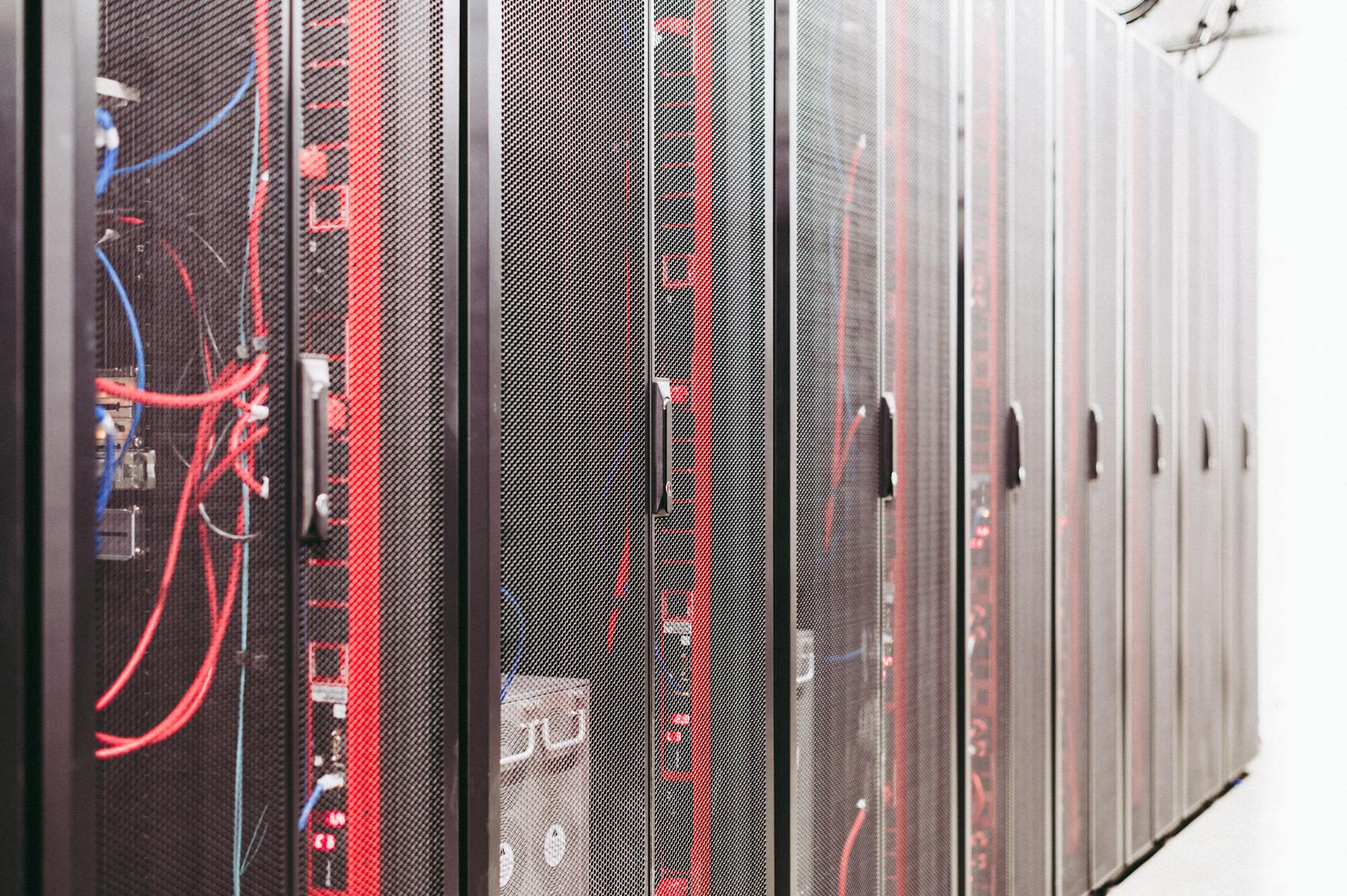
Embarking on the journey of AI integration within your multi-chip package (MCP) server environment demands a meticulous architectural approach, particularly from the foundational setup. It's not merely about installing powerful GPUs; it's about creating a robust, scalable, and efficient ecosystem that can handle the unique demands of AI workloads. This involves carefully selecting and configuring components like high-bandwidth memory (HBM), ensuring optimal interconnects (e.g., NVLink, CXL) for data flow, and designing for thermal management from day one. A common pitfall here is underestimating the power and cooling requirements, leading to performance throttling and system instability. Proactive planning for scalable power delivery and advanced liquid cooling solutions can mitigate these issues, ensuring your MCP servers remain performant as AI models evolve in complexity and scale.
Once the initial setup is solid, the focus shifts to scaling your AI-ready MCP servers, a phase where architectural decisions significantly impact long-term success. Consider the implications of future expansion: will your current interconnect fabric support additional nodes without becoming a bottleneck? Are your storage solutions (e.g., NVMeoF, parallel file systems) designed to feed data to multiple AI accelerators concurrently? A critical pitfall during scaling is neglecting the software stack and orchestration tools. Without robust frameworks for workload scheduling, resource allocation, and containerization (e.g., Kubernetes, Slurm), even the most powerful hardware can be underutilized. Investing in a comprehensive management and orchestration layer is paramount for maximizing efficiency, simplifying deployments, and truly unlocking the full potential of your AI-driven MCP server infrastructure.
The domain metrics API allows developers to programmatically access a wealth of data about specific domains, including their authority, backlink profiles, and organic search performance. This powerful tool is essential for SEO analysis, competitive research, and automated reporting, providing the insights needed to make informed decisions and optimize online strategies.
Unlocking AI Potential: Troubleshooting, Optimizing & Future-Proofing Your MCP Server for Next-Gen Agent Operations (Q&A with Experts)
As we navigate the increasingly complex landscape of cybersecurity, your Minecraft Protocol (MCP) server isn't just a gaming hub; it's a potential launchpad for sophisticated agent operations. This means ensuring its resilience, efficiency, and future compatibility is paramount. Our Q&A session with industry experts delves deep into proactive troubleshooting strategies, allowing you to identify and resolve common bottlenecks before they impact your operations. We'll explore methods for diagnosing performance issues, addressing network latency, and mitigating potential vulnerabilities that could compromise your agents' effectiveness. Furthermore, we'll uncover optimization techniques specifically tailored for MCP servers, ranging from JVM tuning to intelligent plugin management, all designed to maximize your server's horsepower for seamless, next-generation agent deployment.
Beyond immediate fixes and performance boosts, this expert panel will equip you with the knowledge to future-proof your MCP server architecture. The world of AI and agent operations evolves at a rapid pace, and your infrastructure must be ready to adapt. We'll discuss best practices for scaling your server to accommodate increasing agent loads, integrating with emerging AI frameworks, and adopting security protocols that anticipate future threats. Our experts will also provide insights into resource allocation, hardware considerations, and the importance of a robust backup and recovery plan. This isn't just about keeping your server running today; it's about building a foundation that can reliably support your cutting-edge agent operations for years to come, ensuring uninterrupted mission critical functions and continuous innovation.