Understanding MCP Servers: Your AI's Central Nervous System (Explainers & Common Questions)
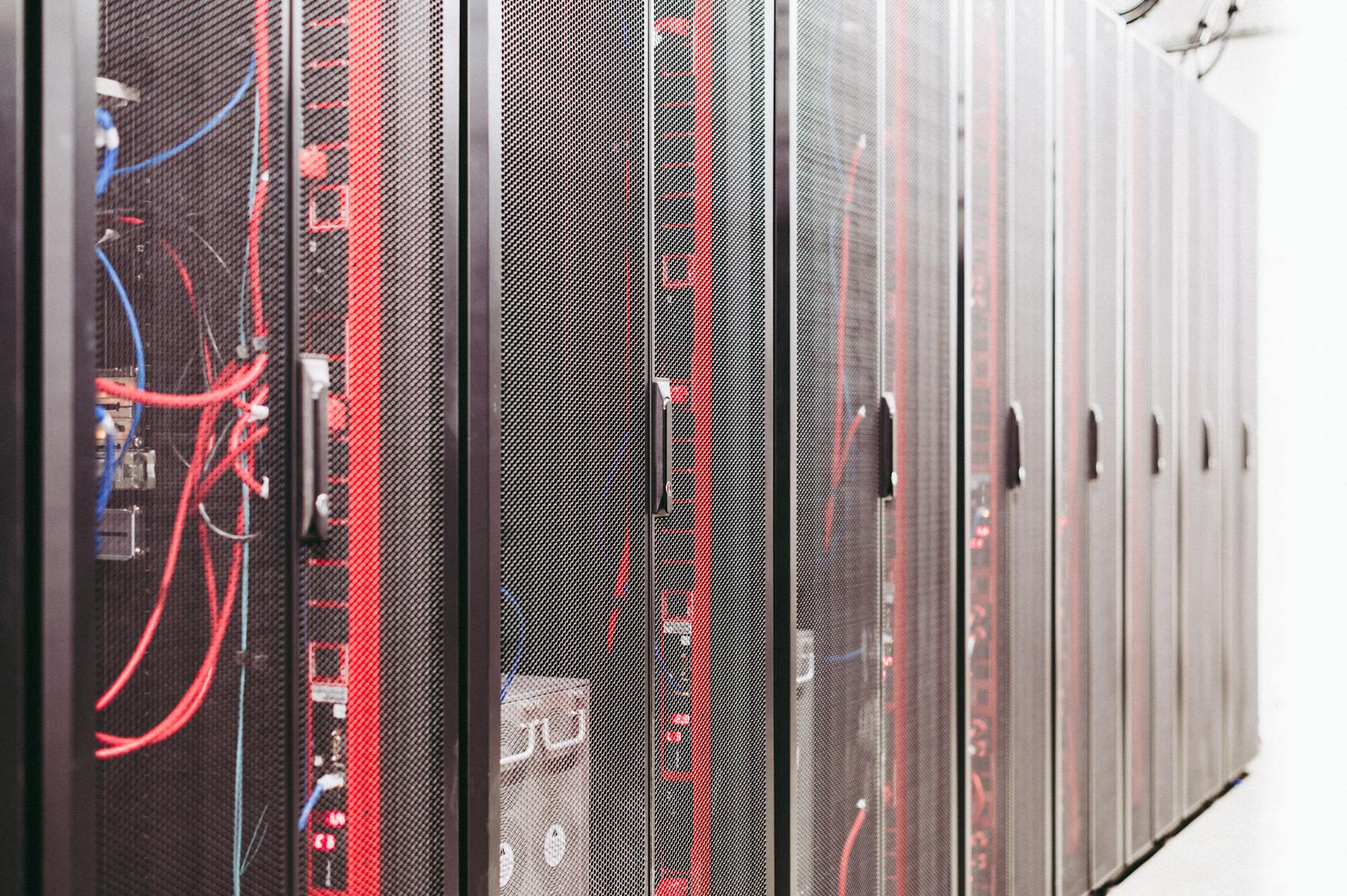
At the heart of any sophisticated AI ecosystem lies the MCP Server, or Massively Concurrent Processing Server. Think of it as the central nervous system for your AI, coordinating and executing the myriad computational demands that characterize modern artificial intelligence. Unlike traditional servers designed for sequential tasks, MCP servers are architected from the ground up to handle an immense volume of parallel operations simultaneously. This is crucial for AI workloads such as real-time data analysis, complex model training, and inferencing across vast datasets. Without the specialized capabilities of an MCP server, your AI would struggle to achieve the speed, scalability, and responsiveness required to operate effectively, becoming a bottleneck rather than an accelerator in your data pipeline.
The power of MCP servers stems from their ability to efficiently manage and distribute computational load across numerous processors, often utilizing specialized hardware like GPUs (Graphics Processing Units) and TPUs (Tensor Processing Units). This architecture allows for the simultaneous processing of multiple data streams and the parallel execution of intricate algorithms, which are fundamental to deep learning and machine learning tasks. Common questions often revolve around their scalability and integration:
- How do MCP servers scale? They are designed for horizontal scaling, allowing you to add more servers to increase capacity.
- What's the difference between MCP and a standard server? MCP prioritizes parallel processing and high throughput for specific AI workloads, whereas standard servers are more general-purpose.
- Are they cloud-native? Many cloud providers offer MCP-like services, optimizing them for distributed AI compute.
Accessing powerful artificial intelligence capabilities has never been easier or more affordable thanks to the emergence of the free ai api. These APIs allow developers to integrate advanced AI models into their applications without incurring significant costs, fostering innovation and making AI accessible to a wider audience. They typically offer a range of functionalities, from natural language processing and image recognition to predictive analytics, enabling the creation of intelligent and dynamic software solutions.
Practical Management: Fine-Tuning Your MCP Servers for Optimal AI Performance (Practical Tips & Common Questions)
Optimizing your Microsoft Cognitive Services on Premises (MCP) servers for AI workloads isn't just about throwing more hardware at the problem; it's about strategic fine-tuning that can yield significant performance gains and cost efficiencies. A key area often overlooked is the underlying infrastructure's ability to handle the bursty and resource-intensive nature of AI model training and inferencing. This involves delving into aspects like disk I/O optimization, ensuring your storage solutions can keep pace with the massive data transfers inherent in deep learning. Furthermore, network latency between your MCP servers and data sources can be a critical bottleneck. Consider implementing dedicated high-bandwidth connections or leveraging local caching mechanisms to minimize data transfer times, ultimately leading to faster model iteration and deployment cycles. Ignoring these foundational elements can lead to frustratingly slow processing, even with powerful CPUs and GPUs.
Beyond hardware, smart configuration and consistent monitoring are paramount. For instance, have you truly optimized your SQL Server instances — often the backend for MCP data storage — to support high-throughput AI operations? This might involve adjusting memory allocation, indexing strategies, and even considering in-memory tables for frequently accessed data. Another common question revolves around scaling:
"When do I add more MCP servers, and when do I focus on optimizing existing ones?"The answer often lies in understanding your specific bottlenecks. If your existing servers are underutilized due to inefficient configurations, adding more hardware won't solve the core issue. Instead, focus on practices like:
- Resource Governor policies to prioritize AI workloads
- Regularly updating MCP components and underlying operating systems
- Implementing robust monitoring tools to identify and address performance regressions proactively