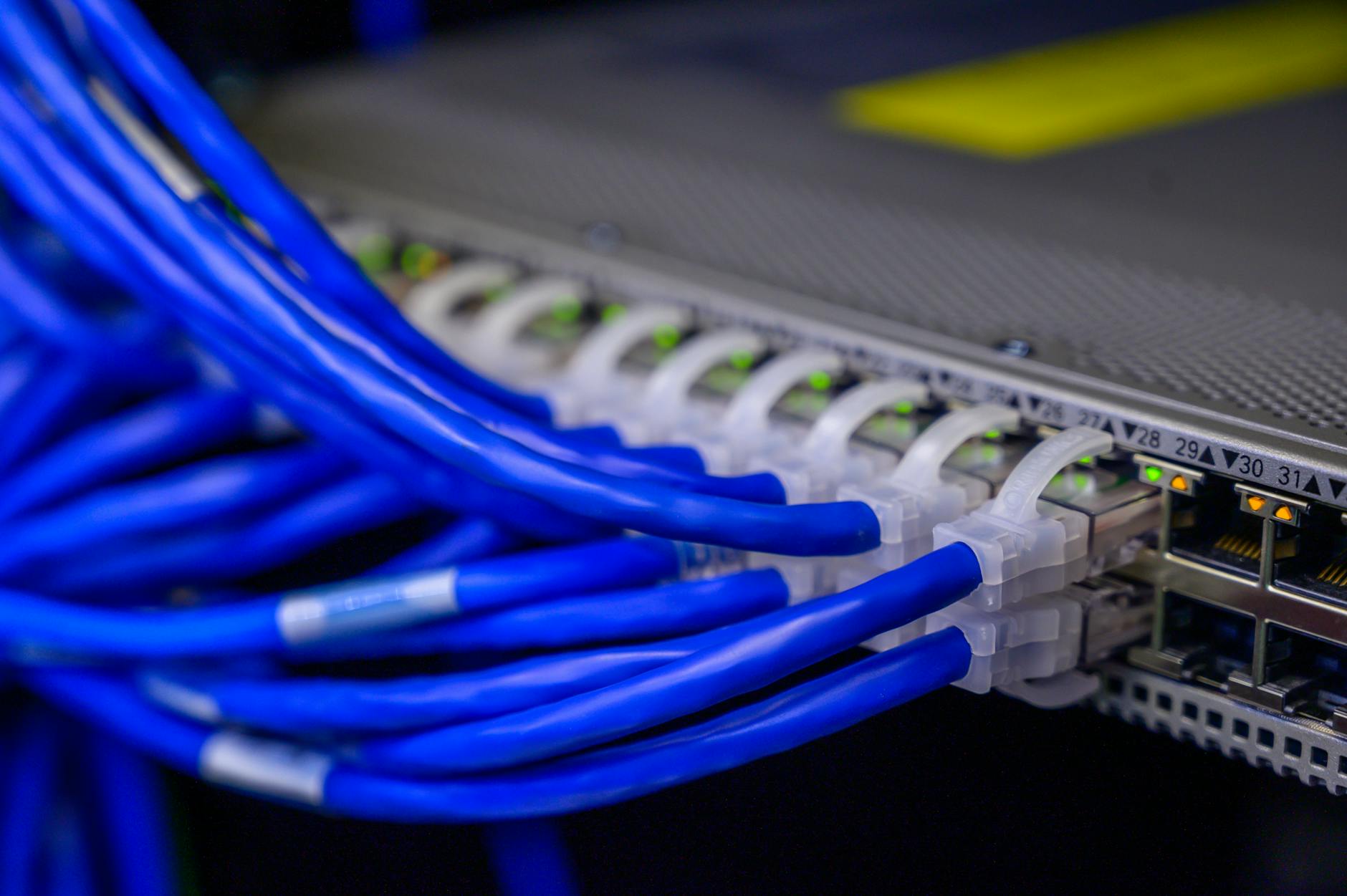
Understanding MCP Servers: The AI Agent's Digital Oasis for Learning and Deployment
In the rapidly evolving landscape of artificial intelligence, Multi-agent Communication Protocol (MCP) servers emerge as a critical infrastructure, serving as the digital oasis for AI agents to not only learn but also to effectively deploy their functionalities. Think of an MCP server as a sophisticated central nervous system for a collective of AI entities. It facilitates seamless interaction, resource sharing, and collaborative problem-solving, which are paramount for the development of increasingly complex and autonomous AI systems. Without such a robust communication backbone, the potential for individual AI agents to truly synergize and achieve emergent intelligence—far beyond what any single agent could accomplish alone—would be severely limited. These servers provide the stable, secure, and scalable environment necessary for agents to exchange data, negotiate tasks, and even learn from each other's experiences, making them indispensable for advanced AI research and application.
The true power of an MCP server lies in its ability to manage and orchestrate the intricate dance of multiple AI agents, each with its own specialized role and objective. This orchestration is vital for applications ranging from autonomous vehicle fleets coordinating traffic flow to sophisticated financial trading algorithms collaborating on market analysis. Key functionalities often include:
- Secure message routing: Ensuring data integrity and privacy between agents.
- Resource allocation: Managing computational power and data access efficiently.
- Conflict resolution: Providing mechanisms for agents to resolve disagreements or competing objectives.
- Learning environment: Offering shared datasets and observational data for collective learning.
Leveraging a backlinks API allows developers to programmatically access crucial backlink data, enabling the creation of advanced SEO tools and applications. This type of API provides valuable insights into a website's backlink profile, including the number of backlinks, referring domains, and link quality metrics. Integrating a backlinks API can significantly enhance competitive analysis, domain authority tracking, and content strategy by providing real-time, comprehensive link data.
Navigating MCP Servers: Practical Tips, Tools, and Troubleshooting for AI Agents
Navigating Multi-Configured Protocol (MCP) servers efficiently is paramount for AI agents, especially when dealing with complex, distributed systems. Understanding the architecture and potential bottlenecks is the first step towards optimizing their performance. Practical tips include always beginning with a thorough system audit to identify existing configurations and potential conflicts. For instance, an AI agent interacting with multiple microservices might encounter issues if port assignments or authentication protocols are misaligned across the MCP. It's also crucial to implement robust logging and monitoring to gain real-time insights into server health and agent interactions. Leveraging tools that offer centralized management and visualization for diverse protocols can significantly reduce troubleshooting time and enhance an AI agent's ability to adapt to varying server environments.
When an AI agent encounters issues with MCP servers, effective troubleshooting becomes critical to maintaining operational continuity. A systematic approach is key: start by verifying basic network connectivity and then move on to checking protocol-specific configurations. Is the agent attempting to communicate via the correct port? Are authentication credentials valid for all protocols in play? Common pitfalls include outdated client libraries, firewall restrictions, and misconfigured load balancers. Employing specialized tools designed for network protocol analysis, such as Wireshark or specific API debuggers, can help pinpoint the exact point of failure. Furthermore, establishing a clear hierarchy for error reporting, where AI agents can categorize and flag issues based on their severity and the specific protocol affected, will streamline the diagnostic process for human operators and enable faster resolution.